
Boiling Water Taps: Costly Kettle Killer or Must-Have Green Appliance?
Will switching a kettle for a hot boiling water tap save energy?
Boiling water taps are increasingly popular in modern kitchens, marketed as a stylish and eco-friendly alternative to traditional kettles. But are they worth the splurge or just another expensive gadget? In this article, we look at the pros and cons to help you decide if a boiling water tap is the right choice for your kitchen.
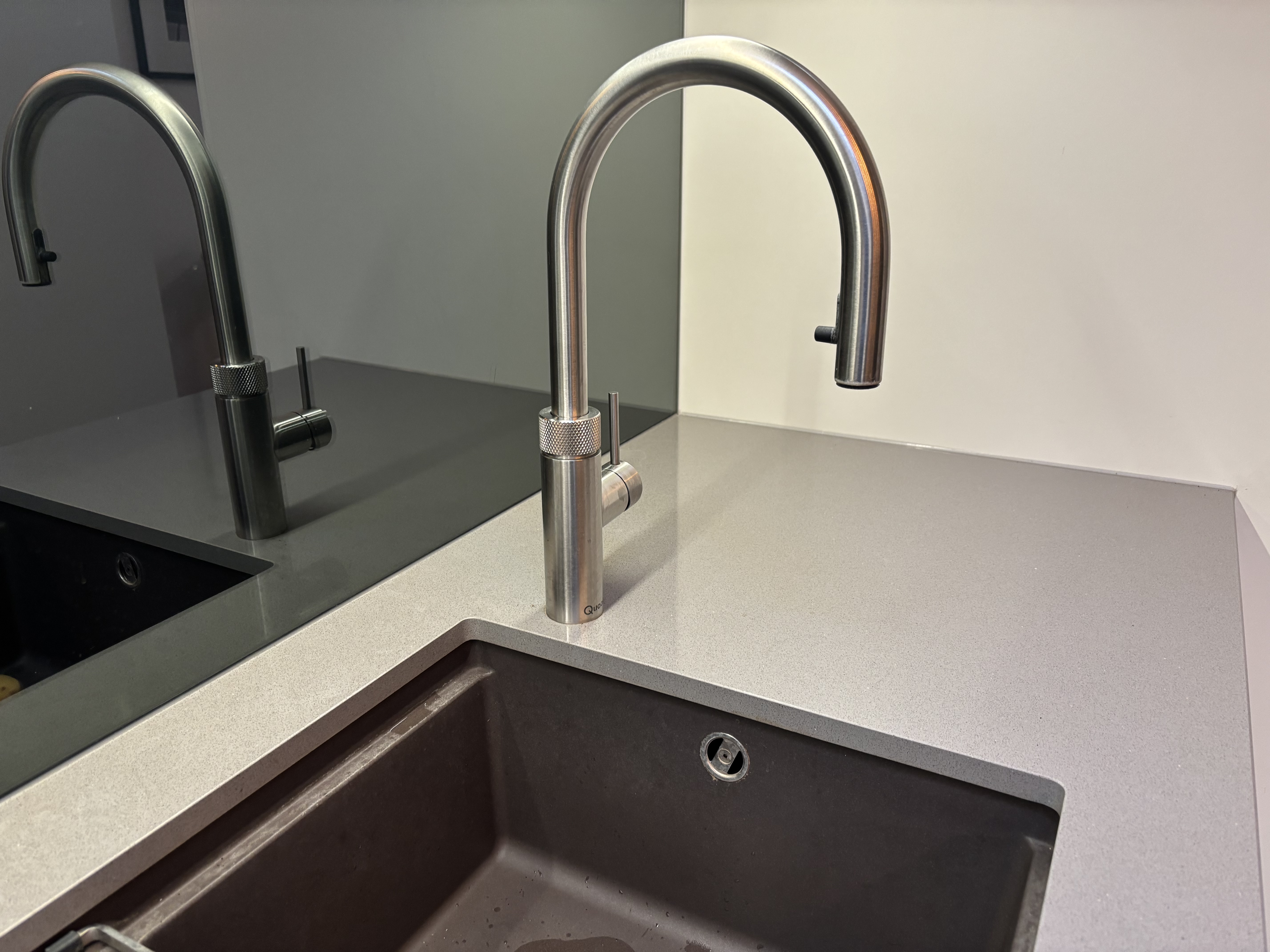
How do they work?
Boiling water taps work by using a hidden boiler tank that maintains water at near boiling temperature, ready to be poured instantly into your mug or saucepan. The tank is typically stored under the sink and connects to your home’s water and electricity supply.“While this may sound energy intensive, these devices are often well-insulated, minimising heat loss and thus saving energy over time,” explains Phil Tuddenham, of JMT Trade Ltd. Compared to a kettle’s two and a half minutes to boil water, instant boiling water on demand is very convenient.
There are different types of tap available. The 3-in-1 tap delivers boiling water alongside mains hot and cold water. A 4-in-1 adds filtered drinking water while a 5-in-1 tap also offers carbonated water, so you can enjoy a steady flow of sparkling, too. Most boiling water taps heat water to 96°C to 98°C rather than a full boil of 100°C. Integrated water filters help to remove harsh-tasting chemicals while softening and aerating the water.
The costs
One of the most significant factors that make people hesitant about boiling water taps is the high price tag. Prices start from around £300, for example Victoria Plumbing’s 3-in-1 Palma tap, and go upwards of £2,800 for Blanco’s luxury Icona tap – prices correct March 2025. A top-of-the-range boiling water tap is likely to feature special copper or chrome finishes and include “gourmet” filtered, chilled and sparkling water options.
High-quality 3-in-1 taps from brands like Quooker, Grohe, and Insinkerator range between £1,200 to £1,600. Installation costs can add an additional £100 to £300. Consumer watchdog Which? recommends using the manufacturer’s installation service (if one exists) or arranging for a plumber to fit your new tap to ensure proper set up. Ongoing maintenance, such as replacement filters, also adds to the overall cost.
Compared to kettles, typically costing between £8 and £40, boiling water taps are undeniably expensive. However, suppliers argue savings in energy and water consumption over time can offset the initial investment.
Energy Savings
A key selling point of boiling water taps is their energy efficiency. Unlike kettles, which often heat more water than is needed, boiling water taps deliver hot water instantly and only in the amount required to fill your mug of tea or pan of pasta. This precision helps reduce wasted energy and planet-warming carbon emissions.
According to manufacturers, boiling water taps can be more energy-efficient than traditional kettles when used frequently throughout the day. Some systems use vacuum insulation tanks that keep water at a near-boiling temperature with minimal energy consumption. This means these taps are surprisingly cheap to run, especially compared with kettles which use short but intense bursts of energy and cool down rapidly after boiling.
For example, Quooker claims that maintaining a hot water supply costs around three pence per day compared to between two and seven pence per kettle boil, depending on the efficiency rating of the model and capacity. The average household boils their kettle four to five times per day, so the costs can add up.
Experts from the Energy Savings Trust reckon boiling a full kettle (approximately seven cups) uses around 0.2kWh of energy, costing five pence based on the current Energy Price Guarantee electricity price of 25p/kWh. “While kettles consume zero energy when not in use, the minimal standby energy consumption of an efficient boiling water tap can be outweighed by the energy saved during operation,” explains Tuddenham. However, if a tap isn’t frequently used it can consume unnecessary energy to maintain the water’s high temperature. Some models feature an energy-saving mode that reduces the water temperature during periods of inactivity
Water savings
Another green aspect of boiling water taps is water conservation. Kettles are often overfilled, wasting water as well as energy. Studies have shown that most people boil much more water than they need, pouring the rest down the drain. Out of 1,000 UK tea drinkers quizzed in a poll for UKTIA (UK Tea and Infusions Association) fewer than one in five boiled the recommended amount of water when making a single mug of tea, with almost half boiling three or more times the water they needed. Boiling water taps, by providing only the required amount of hot water to fill a mug or teapot, help reduce this wastage.
Alternatively, eco-friendly kettles with low minimum fill levels – about one cup – are available at a fraction of the cost. They switch off immediately after boiling. These two features mean an ECO kettle will save water compared to a regular kettle. And they are much cheaper than boiling water taps, ranging in price from £40 to £99.
Lifecycle durability and disposal
The lifespan and disposal of the boiling water tap should also be considered. “Higher quality models that are durable and have longer lifespans will be more eco-friendly in the long run. Additionally, brands that offer take-back programmes for recycling or disposing of their products responsibly, add to their eco-credentials,” notes Tuddenham. So, whether you opt for a kettle or a boiling water tap, it’s essential to choose a high quality, energy efficient model that can be recycled to minimise environmental impact. Household waste and recycling centres typically have bins for appliances like kettles.
Are they worth it?
Boiling hot water taps in kitchens have become a must-have status symbol along with marble worktops and American-style fridges. From an environmental standpoint, they reduce energy and water waste, leading to cost savings. However, their high upfront cost means it could take more than 25 years to recoup your investment. As Fran Roberts-Thornton, a senior researcher at Which?, points out: “There are many benefits to a boiling water tap, but saving money unfortunately isn’t one of them. If saving money is priority, choose a kettle instead.” Ultimately, many homeowners opt for these taps for their sleek style and to reduce kitchen clutter rather than for their eco credentials.